A six-session, one-to-one programme combining manual myofascial release and Frequency Specific Microcurrent (FSM), delivered by chartered physiotherapists with more than 80 years of combined experience. Designed to ease pelvic pain and tension, calm an overloaded nervous system and help your body move more freely, even if you have already tried painkillers, hormones or surgery.
Request your free call backOr call us on 020 8458 7869
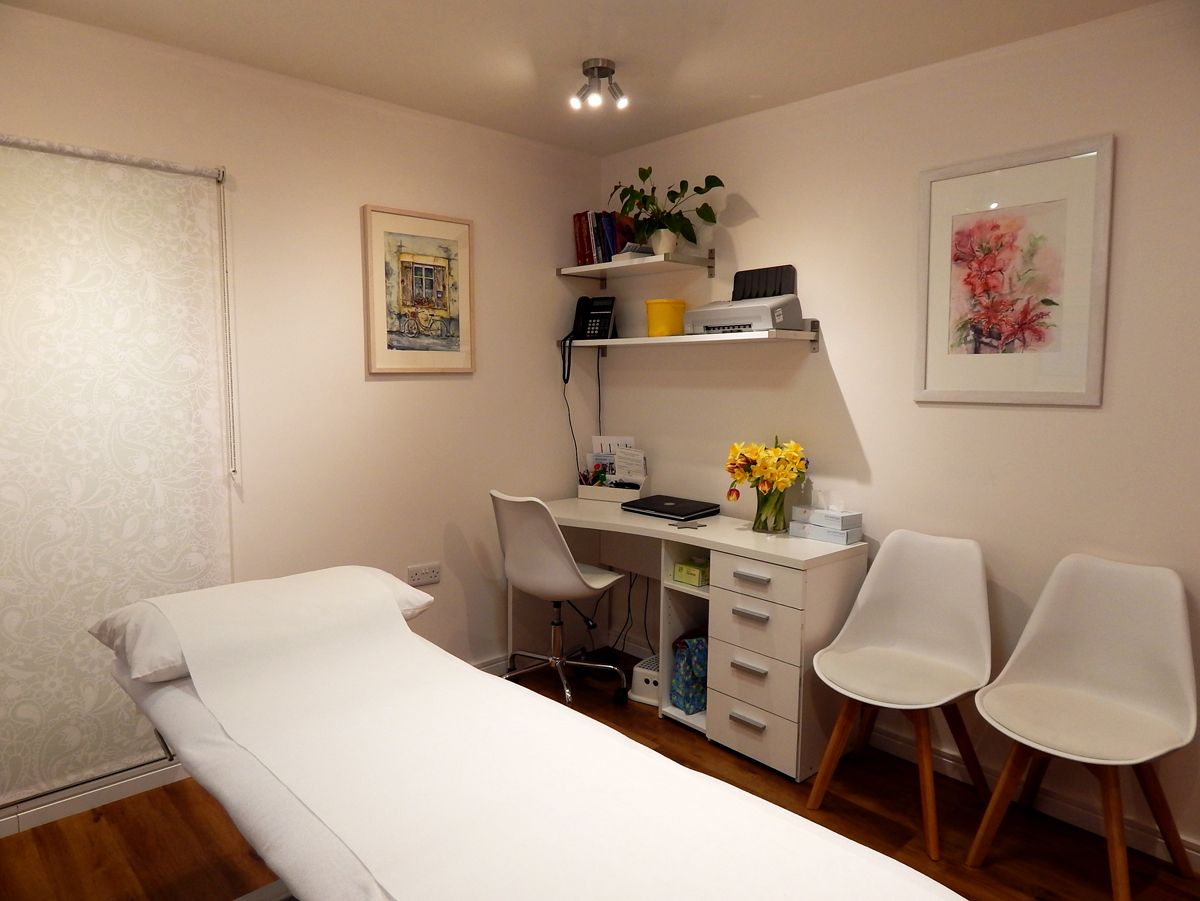
Six one-to-one sessions of 90 minutes, combining manual myofascial release and Frequency Specific Microcurrent (FSM).
We will call you to talk through your situation and whether the programme is right for you. No obligation.
The days off work. The hot water bottle. The painkillers that take the edge off but never quite enough.
Pain before your period, during it, and sometimes on days when there is no reason for it at all. Maybe sex hurts. Maybe going to the toilet hurts. Maybe you have been told your bloating is IBS, your back pain is posture, and your exhaustion is stress.
That is nearly a decade of being told to put up with it.
And even with a diagnosis, the choices can feel narrow: pain relief, hormones or surgery. Each helps some women. None is a complete answer for everyone. Surgery itself can leave new scar tissue behind, and many women are still in pain after they have recovered from the operation.
So you end up in a loop. Manage it. Wait. Hope the next month is kinder.
Endometriosis is not only about the lesions. Three things often work together.
Each month, tissue similar to the womb lining bleeds in places where the blood cannot leave the body. That causes inflammation in the surrounding tissues.
As the body tries to repair, it can lay down adhesions: bands of scar-like tissue that stick structures together or catch a nerve so it can no longer glide as you move, digest or have sex. Up to 50 to 70 per cent of women with moderate to severe endometriosis have adhesions (Human Reproduction Update, 2026).
Pain that goes on for months and years can change how your spinal cord and brain process signals, so your body becomes more sensitive to everyday sensations. Muscles guard and the pelvis tightens.
Every session is one-to-one, in a private room, and adapted to your comfort.
Your symptoms, cycle, previous treatment and surgery, sleep, stress, bowel habits, and what pain is stopping you doing. You will not be rushed.
Slow, sustained hands-on work through the fascia of the abdomen and pelvis to help restricted tissue soften and move more freely.
A very low-level current through warm, damp towels. Most people cannot feel it and many find it deeply relaxing. Frequencies are chosen for your symptoms.
Our FSM practitioners are instructors. Combining it with manual release means we work on the tissues and the nervous system in the same session.
You leave with personalised stretches, strengthening and self-treatment exercises, so progress made in clinic has a way to continue at home.
"I had an amazing experience working with Judith and Eva at Sutherland House. Their knowledge of the body is absolutely incredible, and I have left feeling significantly more mobile. Judith was very patient and thorough in explaining things, and it's obvious that she is an expert in women's health."Andrea S, Google review
The details that make a course of treatment feel supported rather than rushed.
At the end of six sessions we sit down together, look at what has changed and agree the next step. That might be a few maintenance sessions, a referral elsewhere, or simply your home programme. You decide, with the full picture.
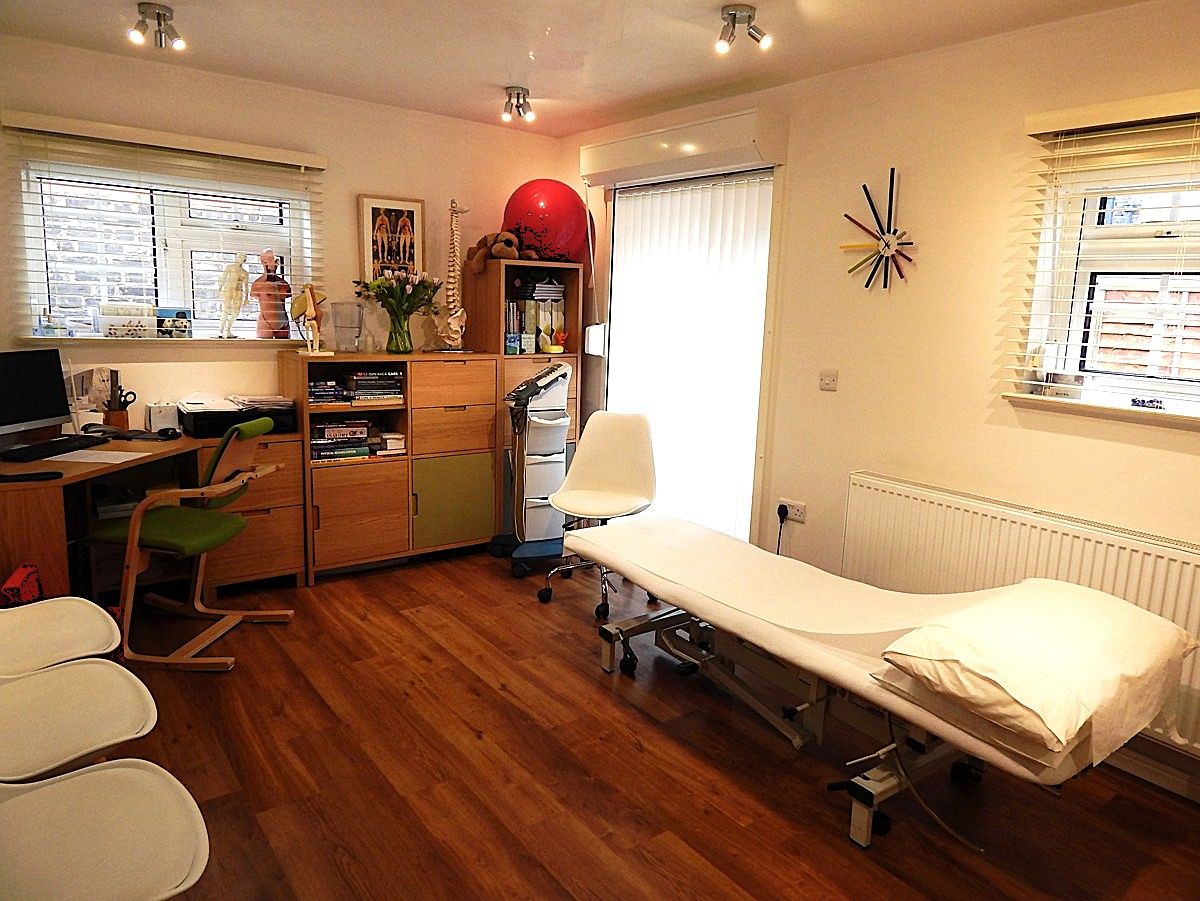
Stretches, strengthening and self-treatment techniques chosen for your body and your symptoms.
You are welcome to bring a partner, family member or friend to any session.
Where it would help, we can introduce you to our naturopath and nutritional therapist Marina Townsley, whose work looks at diet, supplements, sleep and inflammation, or to our traditional Chinese acupuncture team, Martine and Natalie Vegoda.
"It's just period pain." Take something for it. Try the pill. Wait for a referral. If the pain is bad enough, have surgery. If it comes back, go round again.
For many women that means years of managing pain rather than living. It treats the lesions and the hormones, but often overlooks restricted tissue and a nervous system that has learned to stay on alert.
We do not replace your medical care. We add what is often missing from it: time, skilled hands, and a gentle way of working with your body.
Read more: Clear Passage at Sutherland House Frequency Specific Microcurrent (FSM) Understanding abdominal adhesions
Manual release and FSM aim to ease tension and guarding in the pelvis and abdomen and support your body's own pain regulation, so the worst days may become more manageable.
Pain after endometriosis surgery can have more than one cause, including scar tissue, pelvic floor tension and a sensitised nervous system. Once your surgical team has cleared you, we can help with scar-related restriction, comfort and recovery.
People with endometriosis are around two to three times more likely to also have IBS (Chiaffarino et al., 2021). If bloating, constipation or bowel pain gets worse around your period, we look at the pelvic tissues, the gut and the nervous system together.
Adhesions and restricted tissue can make the pelvis less able to stretch and adjust. Gentle fascial work aims to improve comfort and mobility in these areas, at a pace you control.
What most have in common is pain, tension and restriction that have built up over time. The programme may suit you if you:
All are registered with the Health and Care Professions Council (HCPC) and members of the Chartered Society of Physiotherapy (CSP).
Chartered Physiotherapist with 47 years' experience. Clear Passage Practitioner, FSM Practitioner and Instructor. Trained in Clear Passage with Larry and Belinda Wurn in Gainesville, Florida, in FSM with Carolyn McMakin in Chicago, and in visceral fascia mobilisation for pelvic dysfunction with Ramona C. Horton.
Registered and Chartered Physiotherapist with 34 years' experience. Clear Passage Practitioner, FSM Practitioner and Instructor. Trained in Clear Passage in Gainesville, in FSM with Carolyn McMakin, and in female pelvis osteopathy with Rob Muts.
Chartered Physiotherapist with 32 years' experience. Clear Passage Practitioner, FSM Practitioner and Instructor.
Registered and Chartered Physiotherapist with a postgraduate qualification in women's health. FSM Practitioner and Acupuncturist.
Eva and Judith have worked side by side for 27 years and have run Sutherland House since 2012.
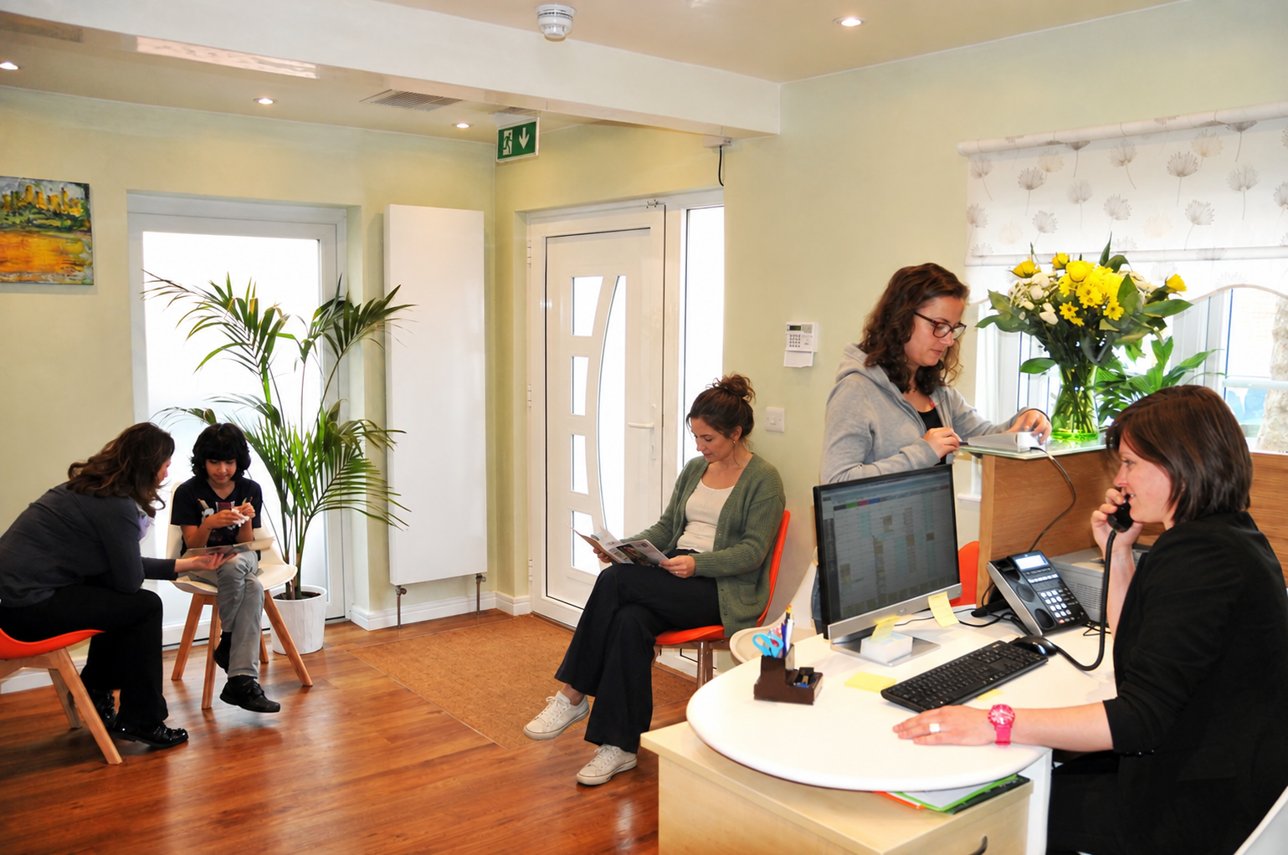
The clinic has cared for patients in Temple Fortune since 1978. Patients tell us about the calm, welcoming feeling from the moment they walk in, and that matters when you are living with pain.
What we can promise is this.
Your call back is free and there is no obligation. If we do not think the programme is right for you, we will tell you.
You are not signing up to open-ended treatment. After six sessions we review your progress together and agree the next step jointly.
If we are not seeing the change we hoped for, we will say so and help you find the right next step, even if that is somewhere else.
No. Manual therapy and FSM do not remove endometriosis lesions or cure the condition. They are complementary treatments to support comfort, mobility and symptom management alongside your medical care.
No. Decisions about medication and surgery should always be made with your GP or gynaecologist. We work alongside their recommendations.
Manual release can feel like a slow, sustained stretch. Some people compare it to a deep massage, others find it very gentle. Pressure is always adapted to your comfort, and your feedback matters throughout. FSM is usually below the level of sensation, and most people find it relaxing.
We recommend a course of six 90-minute sessions, then a review. Some people notice changes within the first few sessions. Long-standing or complex symptoms may need occasional maintenance sessions afterwards. We can adapt the schedule if you are travelling from further away.
No. If your period arrives, we ask you to rebook, and we will do our best to be flexible because we know cycles are not always predictable.
Once your surgical team has cleared you, FSM and gentle manual work can support pain management, circulation, tissue recovery and scar-related restriction. Timing depends on your procedure and your surgeon's advice.
This is not a fertility treatment and we cannot promise any change in fertility. If fertility is a concern, please speak to a fertility specialist. We are happy to work alongside your fertility team as part of your wider care.
Where appropriate, our naturopath can look at factors such as digestion, nutrition, sleep, stress and hormone metabolism. This does not mean endometriosis has one simple cause. The aim is to find anything that may be adding to your symptoms or slowing your recovery.
For suitable patients, a pre-programmed home PEMF device called the iCare Pad can be purchased for predictable flare-ups or ongoing maintenance. It is operated from your phone or tablet, and we set the programmes once we understand your history and how you respond to treatment.
Some people feel temporary tenderness, aching, tiredness or mild discomfort in the hips, pelvis or lower back. This usually passes quickly. A warm bath or a warm or cold compress for around 20 minutes can help.
New, sudden, severe or one-sided pelvic pain needs urgent medical assessment. Please contact your GP, NHS 111 or A&E. Our treatment should never delay that.
Leave your details and we will call you to talk through your situation and whether the programme is right for you.
If endometriosis pain is shaping your work, your sleep, your relationships or your plans, it is worth one conversation. Leave your name, email and phone number, and we will call you. No pressure, no obligation.
Prefer to talk now? Call 020 8458 7869
Sutherland House, 1a Ashbourne Avenue, Temple Fortune, London NW11 0DP
A small number of studies have looked at whether manual physical therapy may improve endometriosis-related pain, including period pain and pain during sex. The findings suggest some women may see an improvement, but the studies were small and more independent, high-quality research is needed. They do not show that manual therapy removes endometriosis lesions or replaces medical care.